
Research
The Interactive Data and Immersive Environments (Indie) research lab at the University of Florida conducts human-centered research of interactive visualizations. We focus on the design and evaluation of applications and techniques that support effective interaction and understanding of data, information, and virtual environments. Most of our research lies under the umbrella of human-computer interaction (HCI), and projects address topics including explainable AI, visualization, virtual reality (VR), and augmented reality (AR).
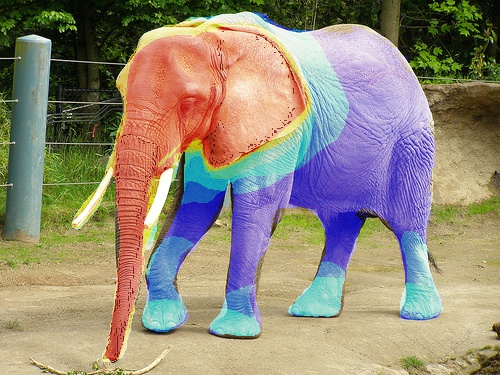
Human-Centered AI and Explainable AI
Artificial intelligence and machine learning provide powerful methods for automated data processing, but many people do not trust computational tools they do not understand. Our research investigates methods for supporting transparency of how and why algorithms provide the output that they do. New XAI (eXplainable Artificial Intelligence) techniques are needed to provide more interpretable machine models, and new empirical studies are needed to understand how AI systems influences human decision-making behavior.
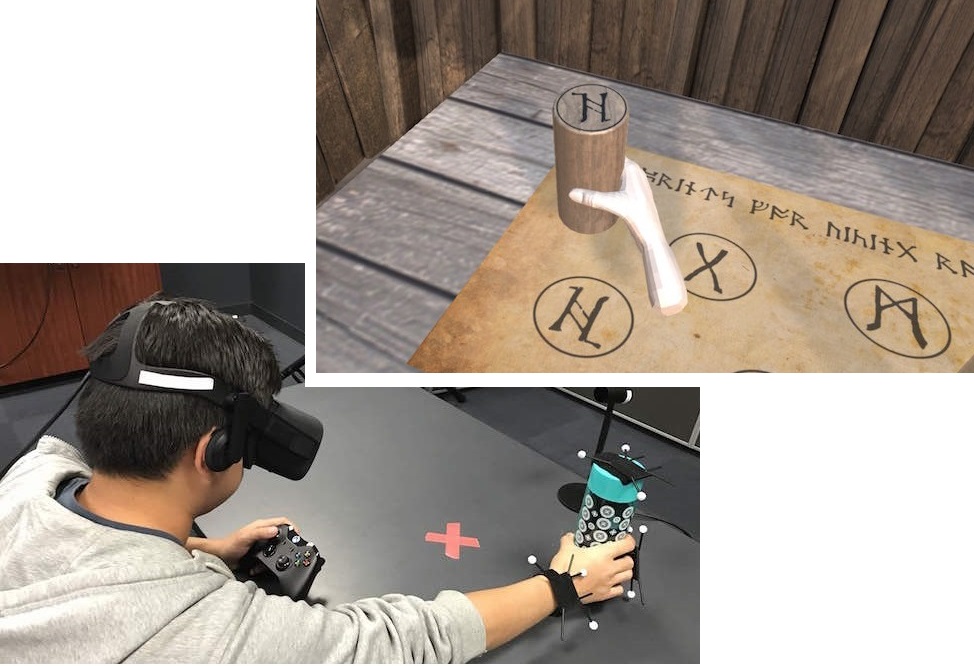
3D Interaction in Virtual Reality and Augmented Reality
In many virtual reality, people can physically move around to explore the virutal space, and they can use their physical hands to directly interact with virtual objects. However, in certain situations, it may not be practical or desirable to require completely realistic physical interaction. In other cases, combining purely virtual objects with physical props that correspond to virtual objects make it possible to provide haptic feedback for a wide variety of object interactions. Our research explores how different forms of interaction techniques can influence user comfort, spatial understanding of 3D spaces, and task performance in different types of mixed reality applications.
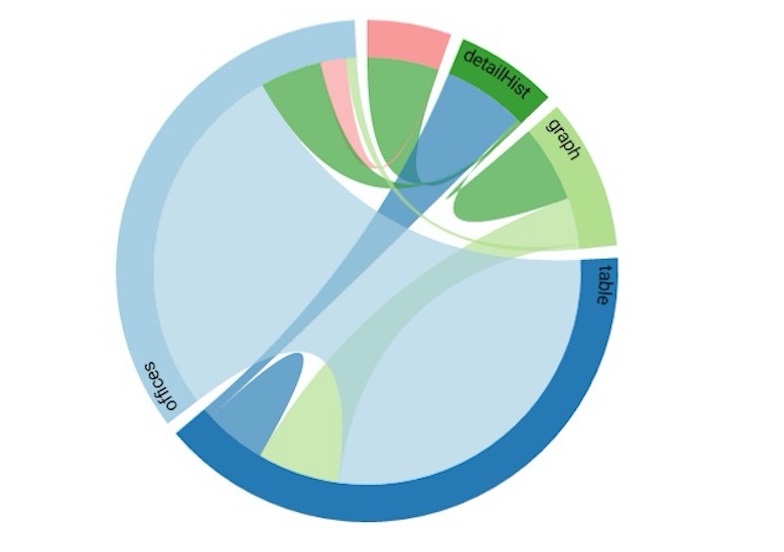
Information Visualization and Visual Analytics
Appropriate visualization is critical for effective communication and accurate interpretation of data. Choices for visualization design have major effects on how people understand information, and interactive visual interfaces facilitate exploration to understand patterns or unexpected relationships that automated methods might not know to look for. Our research studies how visualization designs and interactive features can improve data analysis.
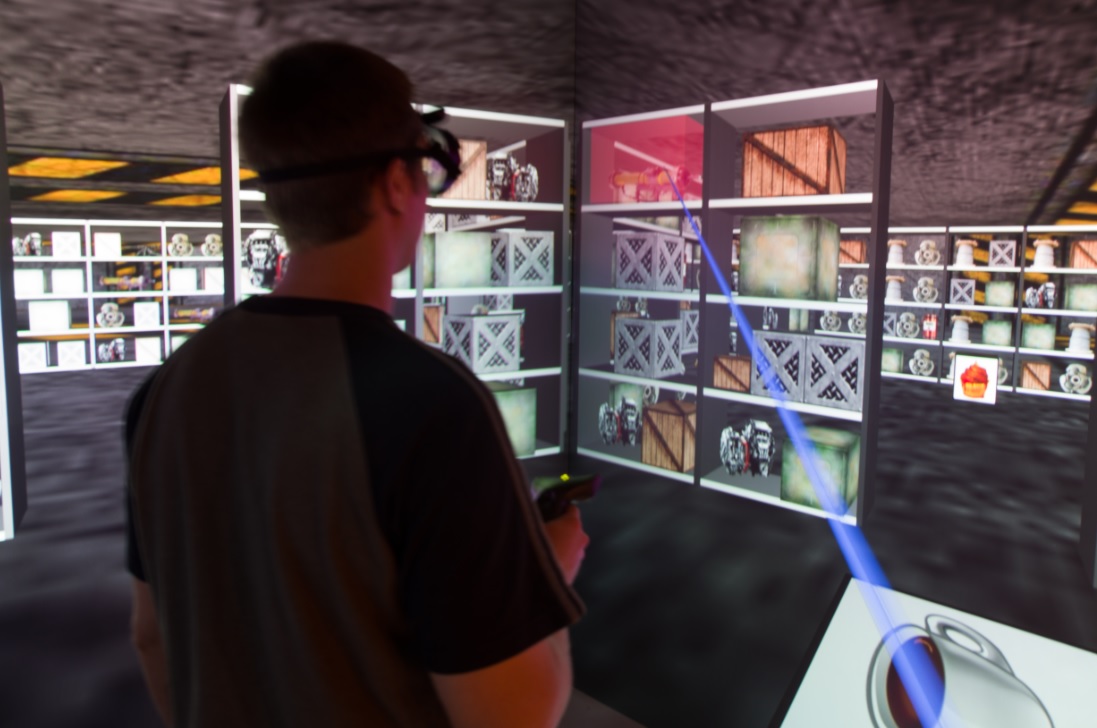
Educational and Training Effectiveness with VR Systems
Virtual simulations are commonly used to educate and train for real-world scenarios. We study how various virtual reality displays and interaction techniques affect learning and training transfer. By taking advantage of both head-mounted displays and surround-screen projection systems, we evaluate how different types of travel and viewing techniques affect information retention, training transfer, sickeness, and the ability to maintain spatial orientation within complex 3D spaces.